
Travel Guide
Worldwide Travel Alert: Widespread Travel Disruptions For Americans
Mar
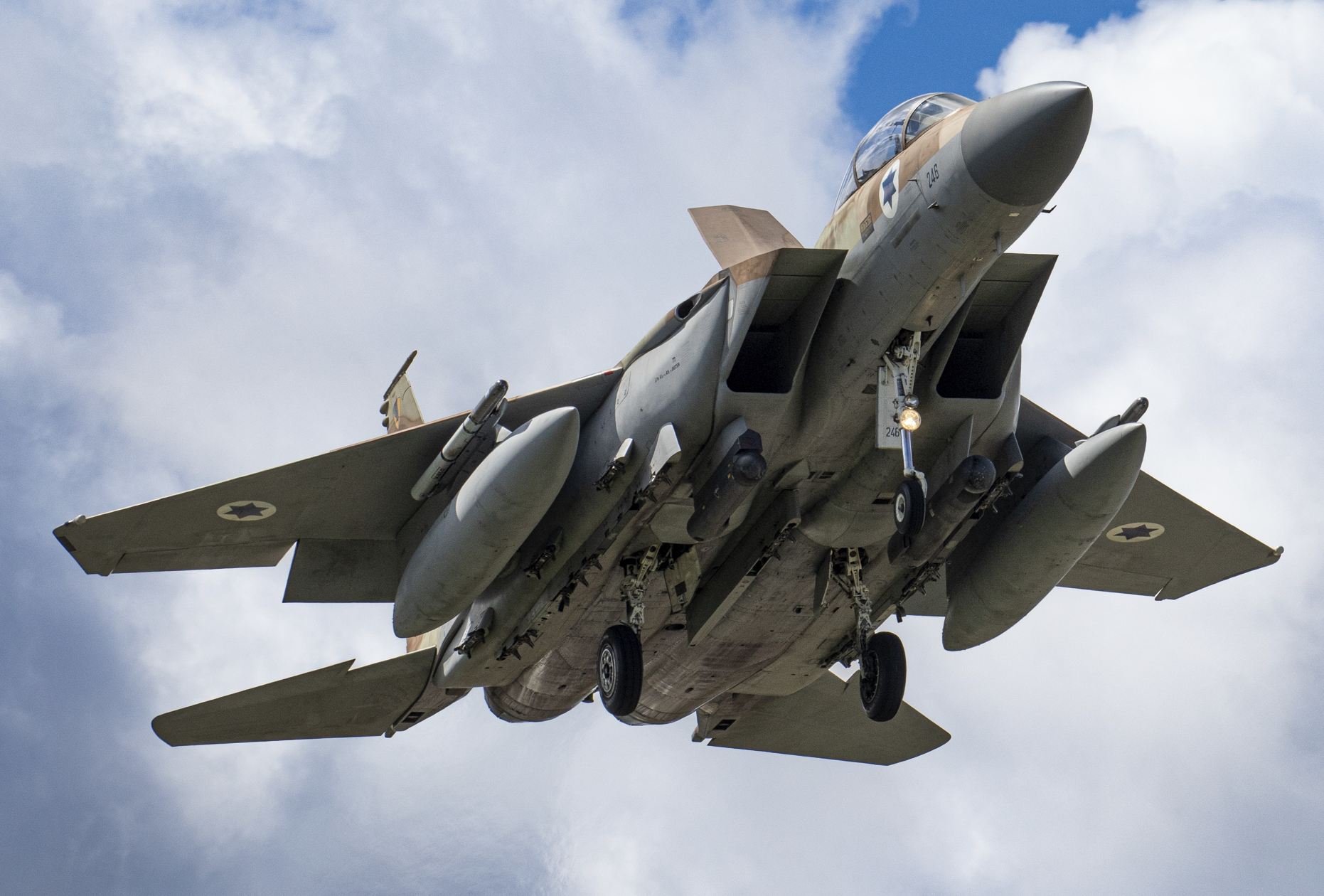
The escalation in the Middle East has completely shattered the global aviation network for 2026. This is no longer a localized border dispute; it is a massive, continent-spanning airspace crisis. Following unprecedented US-Israeli strikes on Iran, retaliatory actions have forced the simultaneous closure of the most critical transit hubs on the planet.
We are witnessing the most acute aviation shock since the global pandemic. Over 3,000 flights have been canceled in a matter of days. At the bottom of the article we have an interactive summary of all the key points Americans need to know to navigate this crisis.
The U.S. State Department “Worldwide Caution” Alert
Before looking at specific airports, you need to understand the federal baseline. On February 28, 2026, the U.S. Department of State issued a massive, blanket Worldwide Caution security alert for all American citizens. Following the launch of U.S. combat operations in Iran, the federal government is officially warning that Americans everywhere—especially in the Middle East—must prepare for severe, unannounced travel disruptions and periodic airspace closures. This is not a standard regional advisory; it is a global alert. If you are holding an international ticket right now, the State Department is explicitly telling you to exercise increased caution and prepare for your logistics to change overnight.
All American travelers should check the latest Travel Advisories and Entry Requirements for your destination before traveling.
If you are an American traveler holding a ticket to the Middle East, Asia, or even Europe this month, your itinerary could be in jeopardy. Carriers are scrambling to reroute, military-grade GPS spoofing is blinding commercial navigation, and hundreds of thousands of passengers are currently stranded globally.
You need hard, actionable intelligence, not social media speculation. Using live, verified data and the Traveler Safety Index, here is the exact operational reality of the Middle East conflict, the definitive “no-go” zones, and the urgent updates regarding mega-hubs like Dubai, Doha, and Cyprus.
The Absolute “No-Go” Zones
When a destination’s risk matrix collapses, the logistical safety nets you rely on vanish instantly. Entering these borders voids standard travel insurance and makes U.S. embassy extraction virtually impossible.
Iran (Traveler Safety Index: 15/100):
This is a catastrophic risk environment. The U.S. State Department maintains a strict Level 4: Do Not Travel advisory. The airspace over Iran is completely closed to commercial traffic. The risk of arbitrary detention for American citizens is severe, and the country is currently the epicenter of active, reciprocal military strikes. Do not transit through, and under no circumstances should you visit.
Israel & Lebanon (Traveler Safety Index: Israel 34/100):
While the U.S. State Department has not yet issued a blanket Level 4: Do Not Travel advisory for Israel, the global aviation industry is already reacting to a much higher threat level. You cannot afford to wait for official administrative updates to catch up to the operational reality on the ground.
The security apparatus in this region is operating under wartime conditions. While Ben Gurion Airport (TLV) attempts to maintain heavily restricted operations, Israeli airspace is subject to sudden, unannounced closures due to active missile interceptions. Lebanon’s airspace is entirely compromised. United Airlines is not waiting for an updated government memo—they have already canceled all flights departing the U.S. to Tel Aviv through at least March 6. For American travelers, the data is clear: regardless of the current official advisory level, all travel to Israel and Lebanon must be completely avoided right now. It is not safe.
The Mega-Hubs: Dubai, Abu Dhabi, and Doha
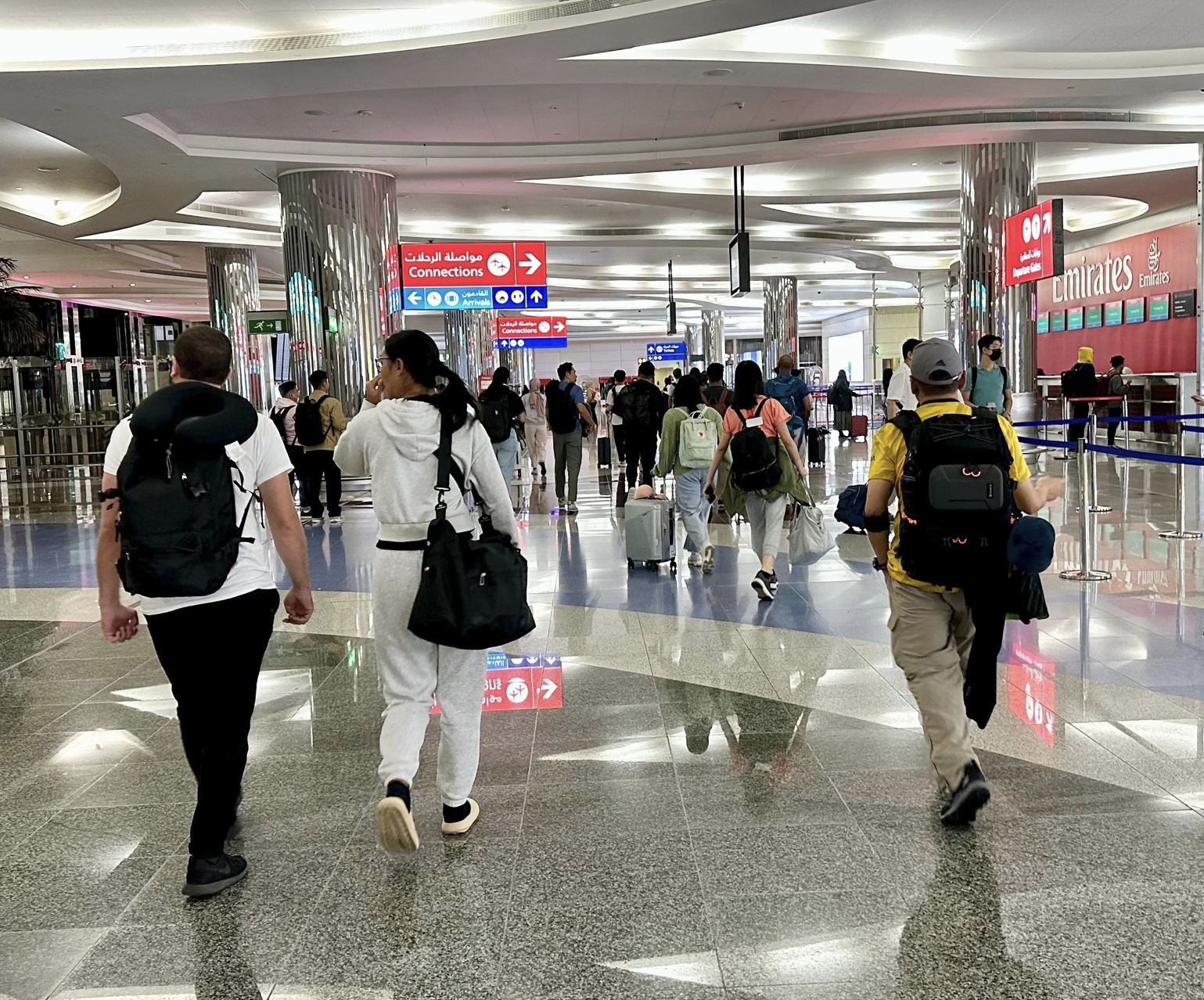
Right now, the most popular transit hubs in the Middle East are completely paralyzed. Here is the raw, operational reality if you have a flight connecting through the Gulf.
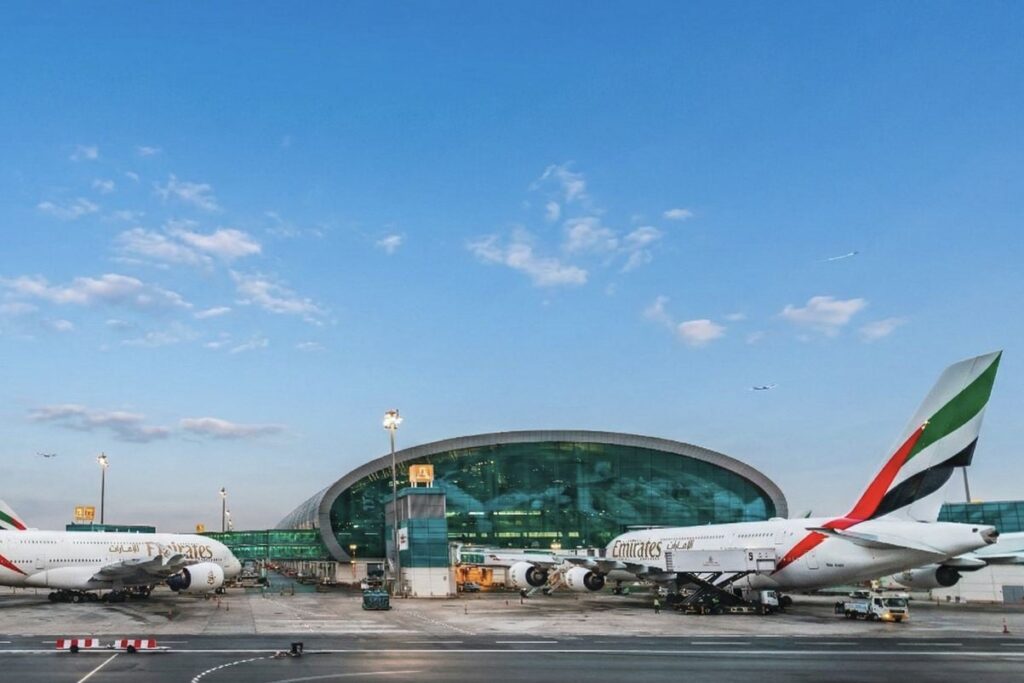
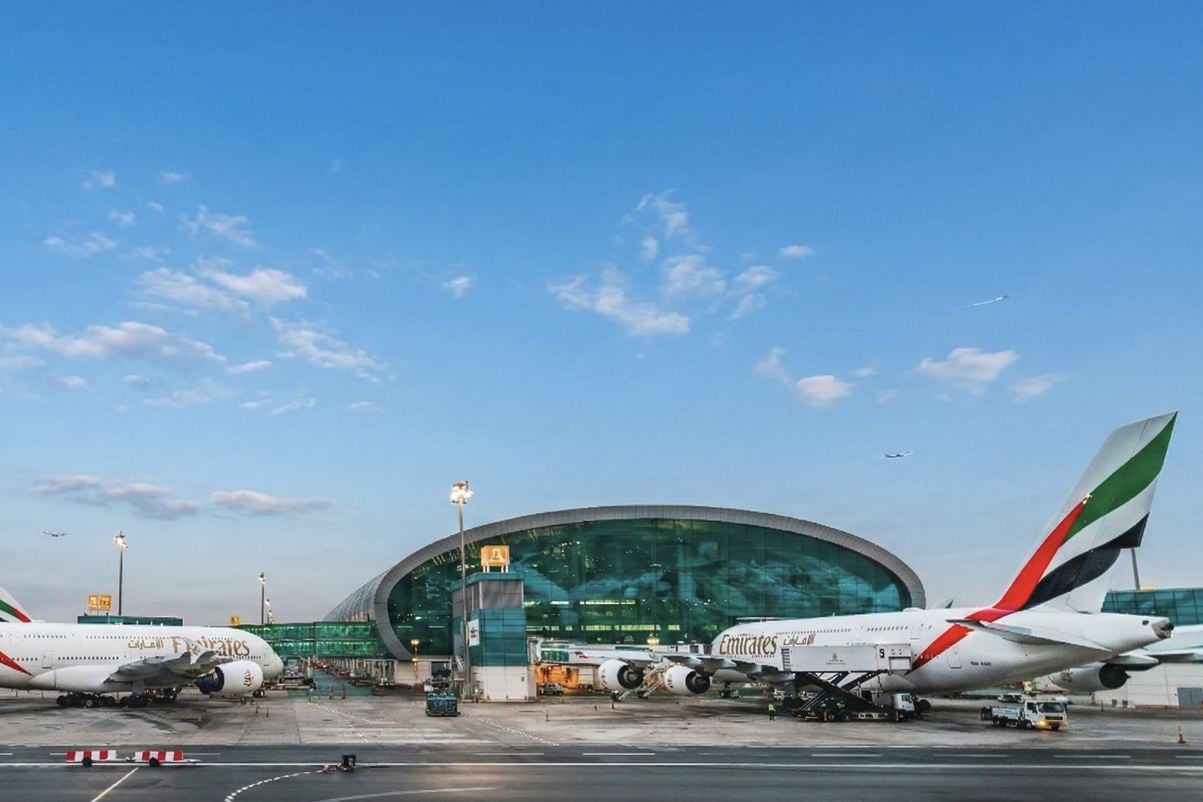
Is Dubai Airport (DXB) Closed? YES. Emirates has officially suspended all flights to and from Dubai until at least 3:00 p.m. UAE time on Tuesday, March 3. The airspace is shut down, and thousands of passengers are currently stranded.
Is Doha Airport (DOH) Closed? YES. Qatari airspace is officially closed. Qatar Airways has suspended all flight operations in and out of Doha. There is currently no timeline for reopening; the airline is waiting for the Qatar Civil Aviation Authority to declare the skies safe.
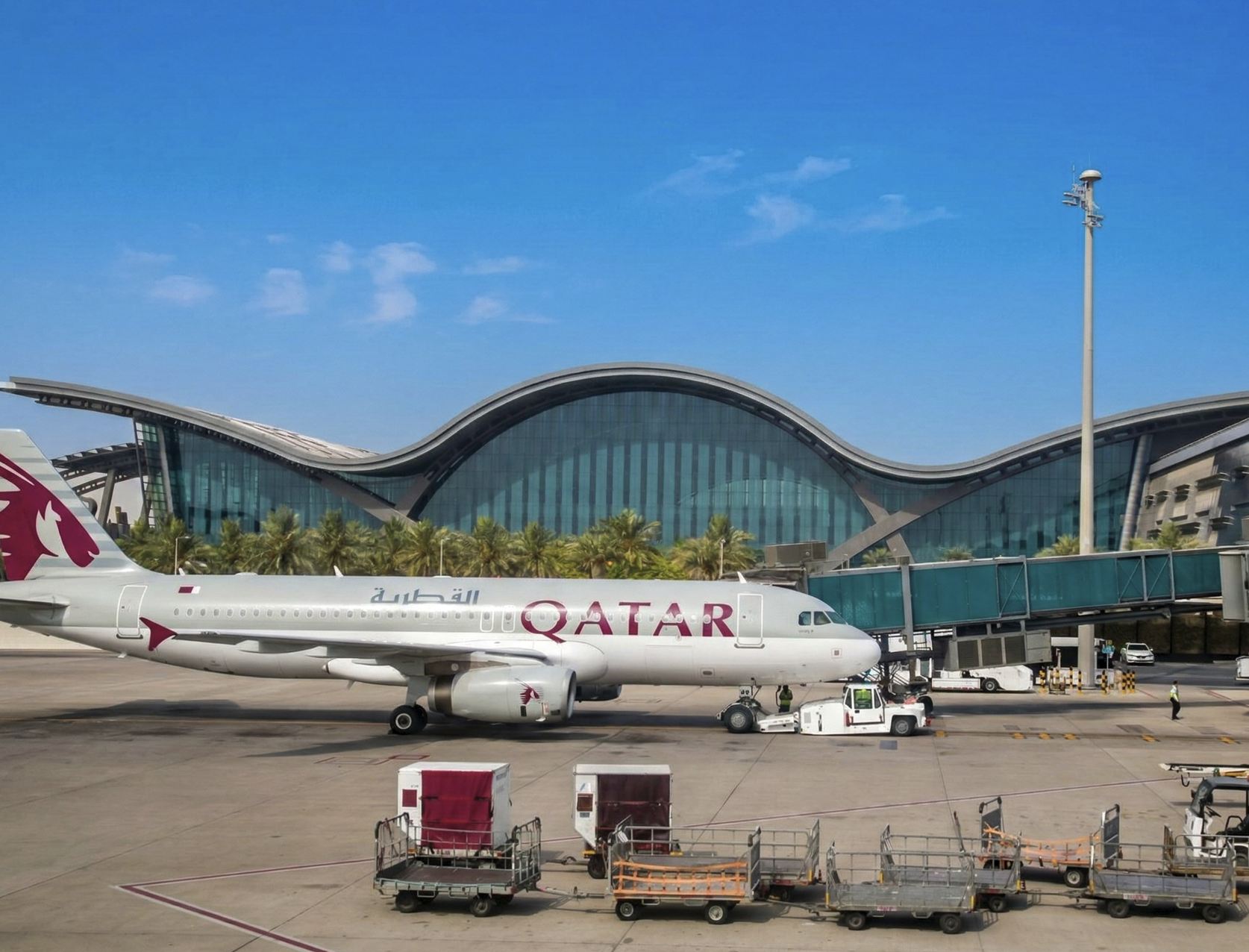
Is Abu Dhabi (AUH) Closed? YES. Etihad Airways has frozen departures and canceled hundreds of services out of Zayed International Airport.
Are The Cities Safe Right Now? The conflict has physically breached the UAE. Verified reports from this weekend confirm that intercepted drone debris and retaliatory strikes have caused fires and structural damage in Dubai. The Fairmont The Palm hotel and the iconic Burj Al Arab were both struck by debris, and Dubai International Airport sustained minor damage that injured four staff members.
What You Need To Do: If your itinerary routes you through DXB, DOH, or AUH in the next 72 hours, do not go to the airport. Your flight is almost certainly canceled. You must wait for your carrier to issue a formal travel waiver so you can rebook your connection through a European or Asian hub that completely bypasses the Middle East.
The Mediterranean Outpost: Cyprus
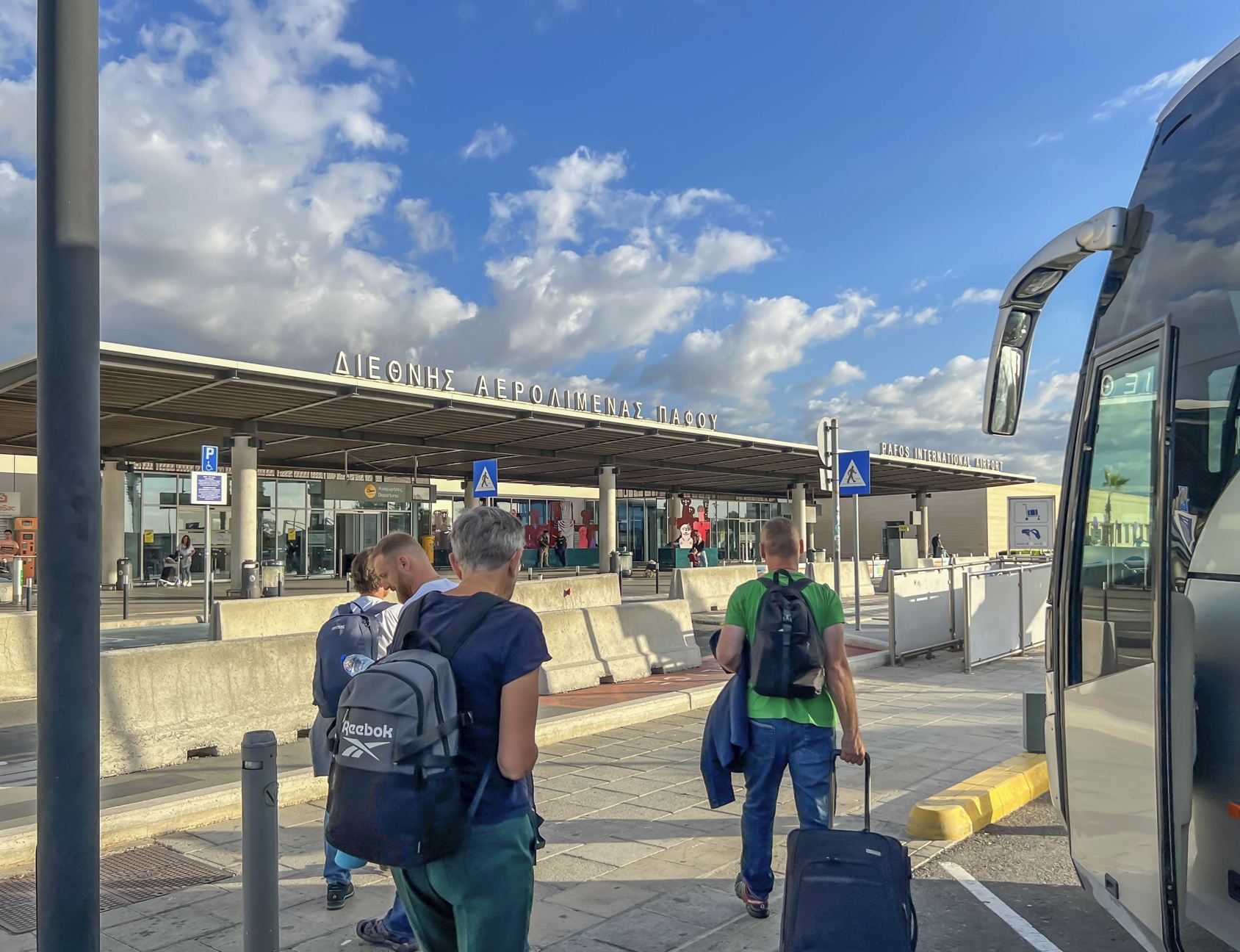
The Breaking Intel: Paphos International Airport in Cyprus was completely evacuated today after an unidentified drone entered restricted airspace. Furthermore, the U.S. Embassy in Nicosia issued an emergency alert urging American citizens to stay indoors, and airlines like easyJet have completely canceled all flights to the island.
Cyprus presents the most complex logistical trap of 2026. As an EU member state, it has traditionally been a safe haven. However, its geographical proximity to the Levantine coast places its airspace directly in the crossfire.
The GPS Spoofing Crisis:
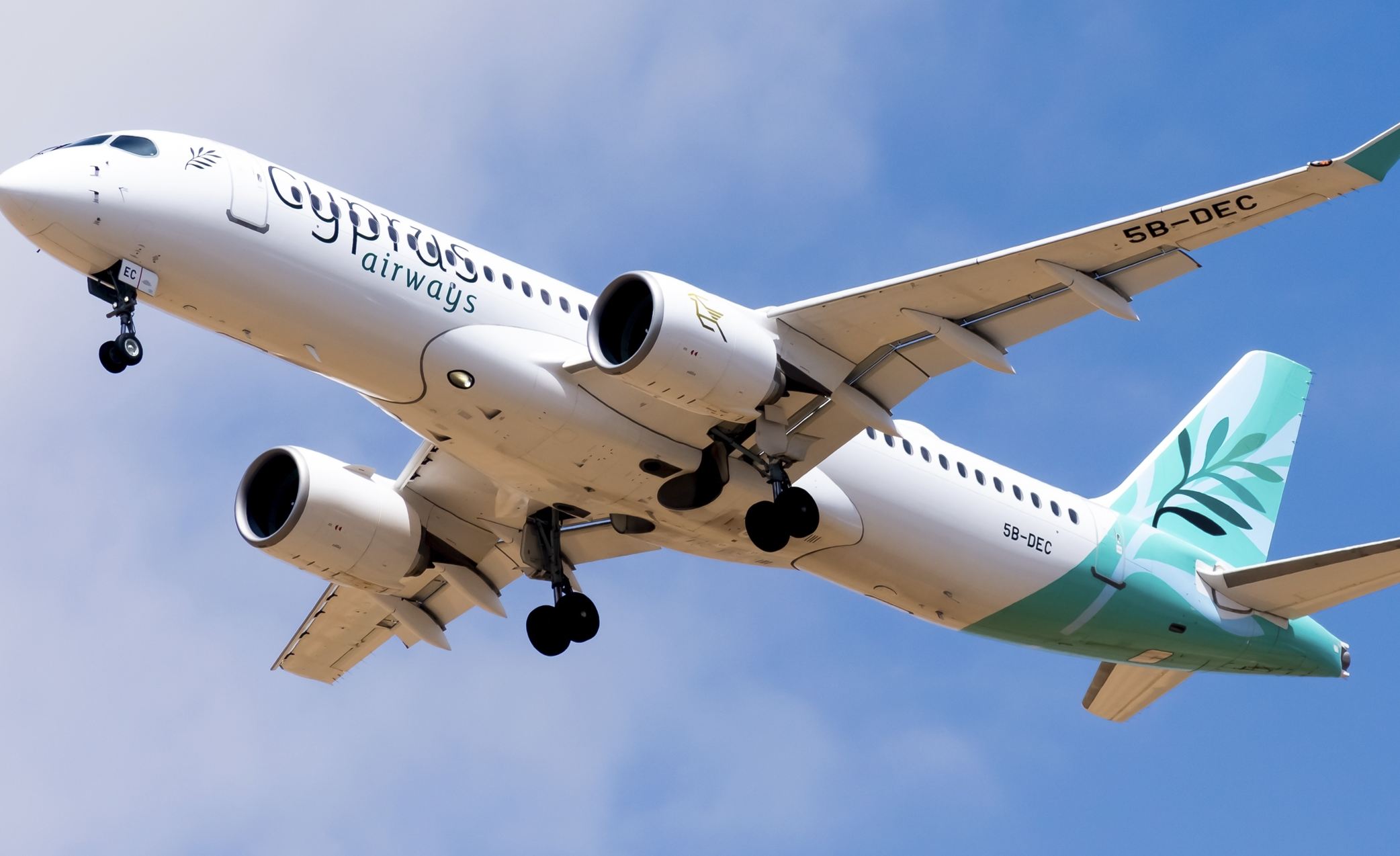
Commercial flights operating in and out of Larnaca and Paphos are being hammered by military-grade GPS spoofing. This tactic involves scrambling navigation signals, forcing aircraft systems to read false coordinates. As a direct result, airlines are refusing to fly the routes, leading to mass cancellations—over 48 flights were grounded at Larnaca and Paphos in a single weekend.
The Base Threat:
The threat is no longer just digital. A suspected drone strike just targeted RAF Akrotiri, the British military base located on the island. While the civilian resort areas remain structurally intact, the airspace and security perimeter are highly volatile. If you are vacationing in Cyprus, you must constantly monitor your flight status. Expect sudden schedule changes, and be prepared for mandatory multi-hour delays.
What Americans Must Do Right Now
Do not panic, but do not be complacent. Here is the operational playbook for navigating this crisis:
- Leverage Airline Waivers: Major carriers (including British Airways, United, and Emirates) have issued emergency waivers. This allows you to rebook your flights away from the Middle East, or delay your travel entirely, without paying change fees. Use them immediately.
- Reroute Through Safe Corridors: If you must reach Asia or Africa, rebook your transit through European hubs (like Frankfurt or London) and connect via southern routes that bypass the Middle East entirely, or look to Pacific routes if heading to East Asia.
- Check The “Act of War” Clause: Standard credit card travel insurance is useless right now. Almost all basic policies contain an “Act of War” exclusion clause, meaning they will not cover your canceled hotel in Dubai or your stranded flight in Doha. If you are traveling anywhere near the Mediterranean or Gulf this year, you must purchase Cancel For Any Reason (CFAR) coverage.
- Use The Data: The situation is evolving by the hour. Before you finalize any backup plans, run your intended layover destinations through the Traveler Safety Index to get the real-time, algorithmic risk score.
- Spring and summer travel is going to require immense flexibility. Keep your money protected, stay out of the affected airspace and rethink your plans to destinations closer to home.
