Travel Guide
5 Underrated U.S. Cities You Need To Visit That Aren’t Capitals
Mar
The travel industry is seeing a massive shift right now. Travelers are increasingly tired of the severe congestion, skyrocketing prices, and manufactured vibes of massive coastal metropolises and overcrowded state capitals.
Instead, the smart money is moving toward “second-tier” cities. These are the underrated spots that punch way above their weight class when it comes to food, culture, and outdoor access, but still maintain a genuine sense of authenticity and accessibility.
If you want an incredible domestic trip without fighting shoulder-to-shoulder crowds, here are 5 non-capital U.S. cities you need to put on your radar for 2026.
PLUS: I’ve built an interactive quiz for you at the end of this article to find which destination matches your vibe, so stick around!
1. Grand Rapids, Michigan
The Craft Beer and Culture Hub
Michigan’s second-largest city has completely transformed itself from an old furniture manufacturing hub into a highly sustainable cultural powerhouse.
The Vibe: It is officially known as “Beer City USA,” boasting over 40 independent craft breweries within a 30-minute radius of downtown. The city has even gamified the experience with a “Beer City Brewsader” digital passport to help you explore the neighborhoods.
The Strategy: Start your trip at the Frederik Meijer Gardens and Sculpture Park, which is easily one of the best sculpture parks in the Midwest, spanning 158 acres of world-class art and horticulture. For dinner, enjoy the highly adaptable culinary scene—many restaurants here have engineered winterized dining domes and campfires so you can eat outside year-round. Plus, if you visit in the summer, you are just a short drive from the stunning, sandy beaches of Lake Michigan.
2. Tulsa, Oklahoma
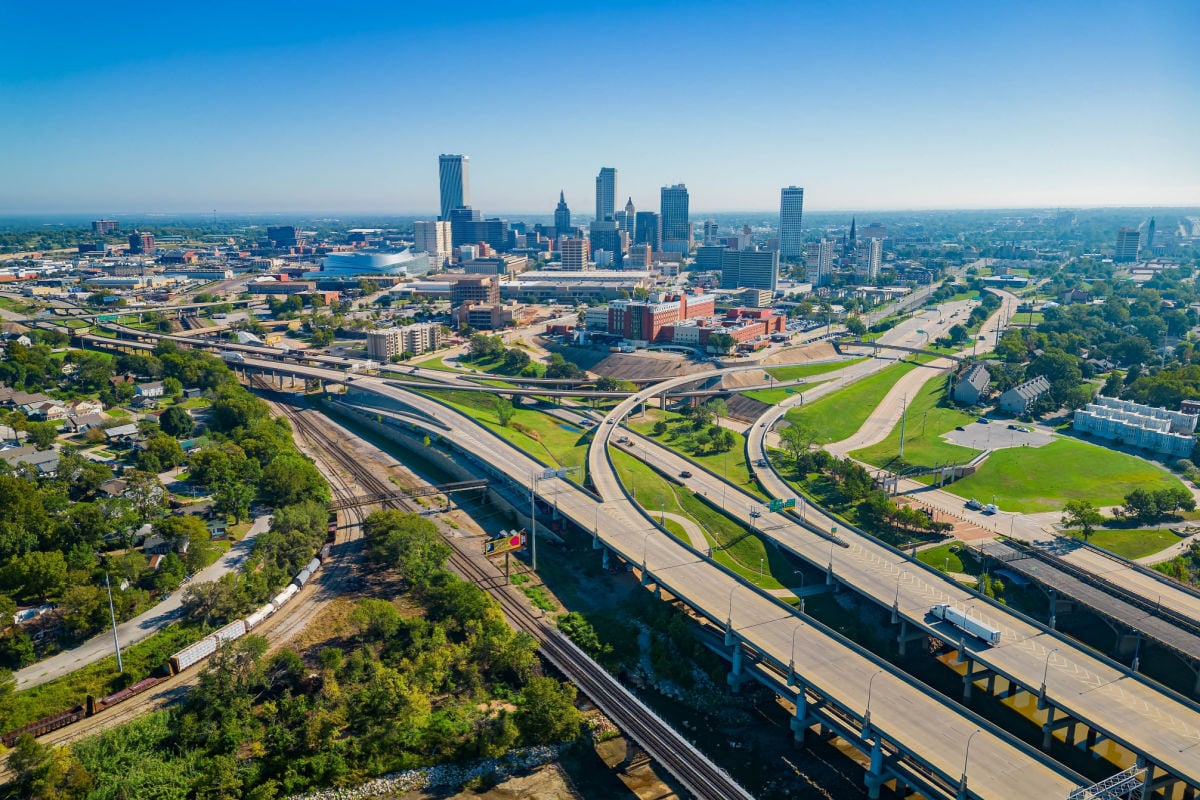
Art Deco and Deep History
Tulsa is a fascinating mix of immense 1920s oil wealth and modern, dynamic energy fueled by a massive influx of remote workers.
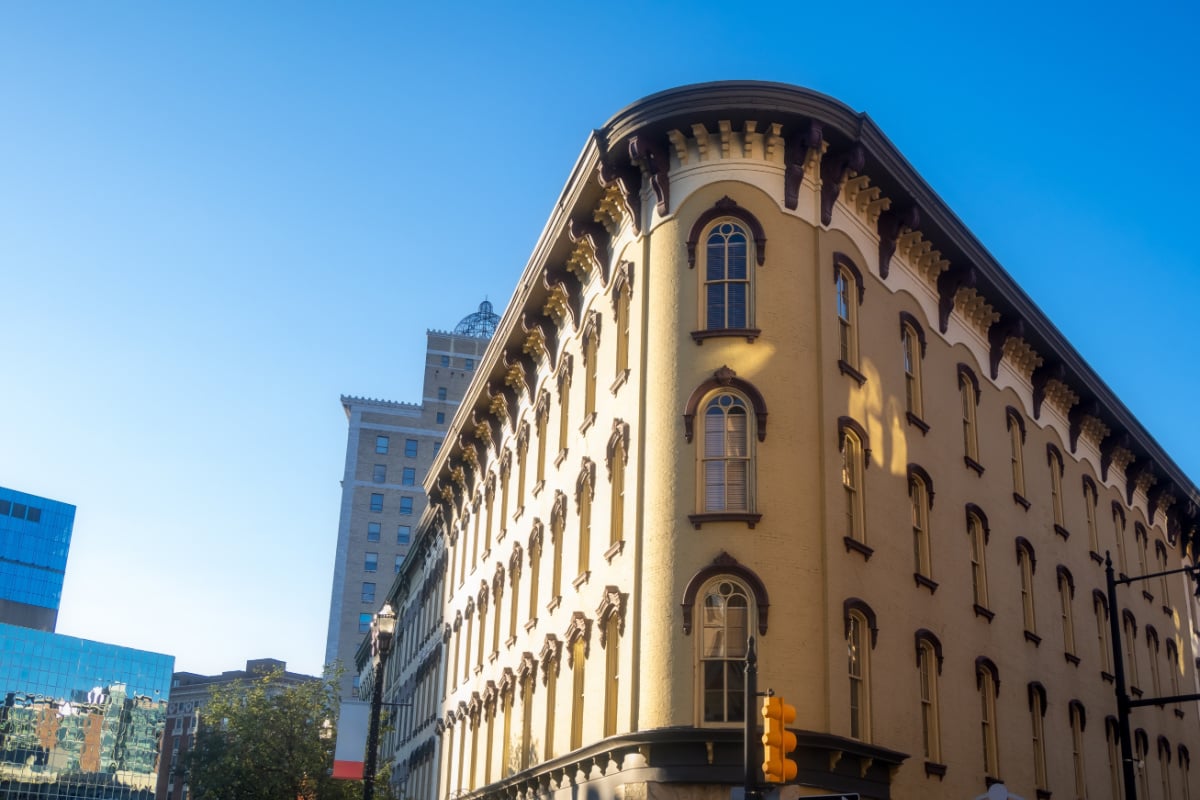
The Vibe: The city is packed with incredible, opulent Art Deco architecture, including a secret underground tunnel system originally built to connect downtown buildings for 1920s high society.
The Strategy: You absolutely have to visit the Philbrook Museum of Art, a 72-room Italian Renaissance-style mansion turned museum surrounded by 23 acres of pristine formal English gardens. More importantly, take time to engage with the city’s vital historical reconciliation. Booking a walking tour of the Greenwood District—historically known as Black Wall Street—with a local guide is a profound, essential educational experience.
3. Chattanooga, Tennessee
The Ultimate Adventure Basecamp
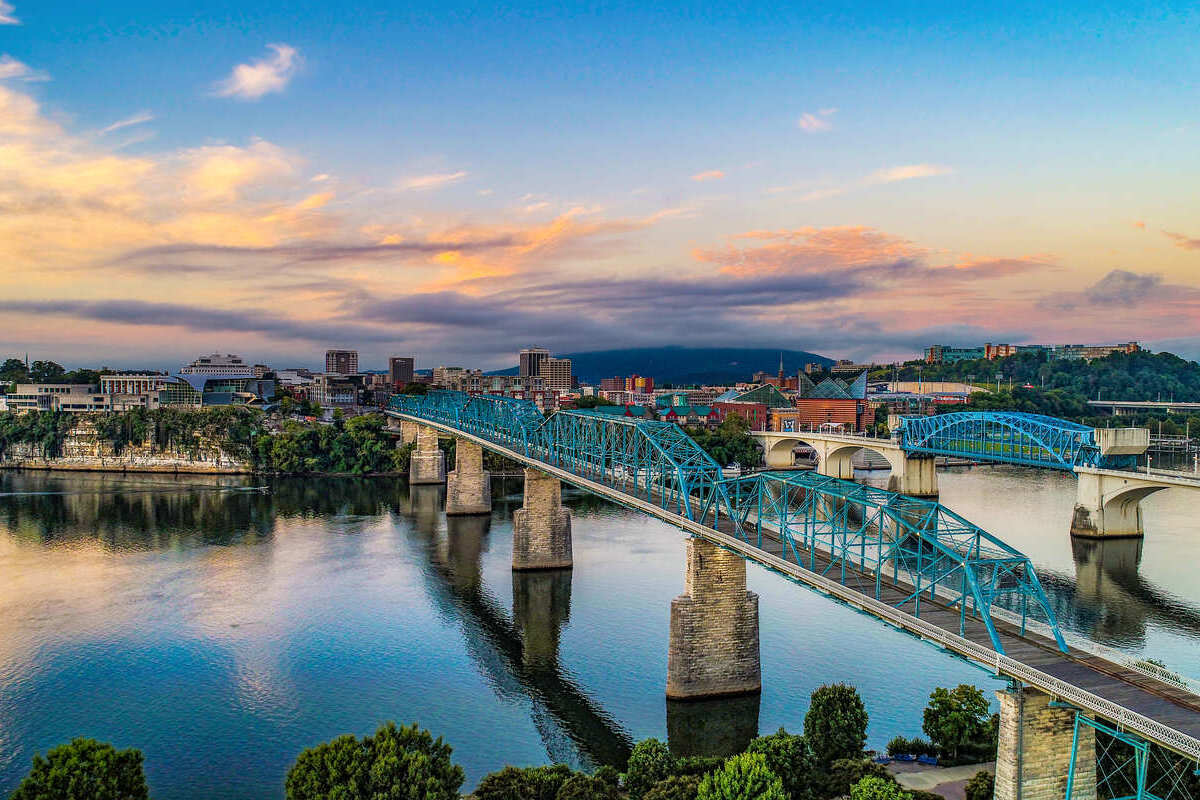
If you want the fun of Tennessee without the suffocating traffic and hyper-commercialization of Nashville, go to Chattanooga. It is actually designated as a “National Park City” because of how perfectly it integrates rugged nature right into the urban grid.
The Vibe: This city is unpretentious and built for people who love the outdoors but still want a great downtown experience. You can ditch your car and walk or bike the 22-mile continuous paved Riverwalk right along the Tennessee River.
The Strategy: If you are an adrenaline junkie, this is your spot. You can go whitewater rafting on the nearby Ocoee River, rock climb at the Tennessee Wall, or head up Lookout Mountain to see Ruby Falls, a massive 1,120-foot-deep underground waterfall.
4. Astoria, Oregon

Moody Pacific Northwest Maritime
Located exactly where the massive Columbia River smashes into the unpredictable Pacific Ocean, Astoria is the oldest American settlement west of the Rockies.
The Vibe: It doesn’t have the polished, luxury resort feel of Southern California; instead, it has a moody, working-class maritime authenticity. It is famously known as the filming location for classic 80s and 90s movies like The Goonies and Kindergarten Cop.
The Strategy: Explore the Columbia River Maritime Museum to learn why these treacherous waters are known as the “Graveyard of the Pacific,” or climb the 164 steps of the Astoria Column for an incredible 360-degree view of the coast. Afterwards, dive into the local food scene. Grab a world-class IPA at Fort George Brewery, and make sure to order some fresh, wild-harvested Dungeness crab.
5. Portsmouth, New Hampshire

Colonial Charm Meets Elite Dining
Located on a brief 11-mile stretch of the New Hampshire coastline, Portsmouth is the perfect, sophisticated alternative to the heavy tourism of Boston.
The Vibe: It was founded in the 1600s, so you are surrounded by centuries-old Colonial and Federalist architecture. But this isn’t just a sleepy museum town; it is a massive, highly walkable culinary incubator.
The Strategy: Elite chefs have moved here to open incredible, chef-driven restaurants inside repurposed historic buildings. You can grab life-changing pastries at Elephantine Bakery, eat incredible modern American tapas at Moxy, or grab a classic, flawless lobster roll at Geno’s Chowder & Sandwich Shop right on the back channel of the river.

